A specific performance issue
Strike, start line, curvature, speed, short game, putting or another clearly identified part of your game needs focused attention.
Private Studio Coaching Near Bournemouth, Dorset
Bring the problem you can see—or the pattern you cannot yet explain. Each session begins by identifying what is truly limiting performance, then narrows the work to a practical priority you can understand and train.
In-person coaching · Private performance studio · Near Bournemouth, Dorset · 90 minutes recommended for a first session
Focused Individual Coaching
A one-to-one session can address a defined technical problem, investigate a pattern that has resisted previous instruction or establish the correct starting point for longer development.
Strike, start line, curvature, speed, short game, putting or another clearly identified part of your game needs focused attention.
You can make a change temporarily, but the old pattern returns at speed, under pressure or when you move from practice to the course.
You have accumulated advice and swing thoughts but no longer know what is functional, what is compensation and what truly deserves priority.
The Chris Brook Clarity Method
The session does not assume that every poor shot is purely technical or purely psychological. Movement, state and self-perception are considered together before the intervention is chosen.
How you organise movement, force and club delivery is examined to distinguish useful individuality from a pattern that limits strike, face control, speed or predictability.
Attention, perception, expectation and emotional response are considered where they change movement, decision-making or access to skill.
The meaning attached to mistakes, score and comparison is explored where it affects behaviour, learning, trust or the golfer’s response under consequence.
What Happens in a Session?
The precise balance depends on the task and available time. The logic remains consistent across full swing, short game, putting and performance work.
We begin with what you experience, when it changes, what you have tried and what you want the session to resolve.
Relevant movement, strike, ball-flight, putting, physical or performance information is gathered without assuming the visible symptom is the cause.
The work is narrowed to the most useful priority. Explanation, feels, drills and constraints are matched to how you organise and learn.
The change is retested through ball flight, strike, movement or a relevant task, then translated into a manageable practice direction.
Choosing the Right Duration
A longer session is not automatically better. It is useful only when the question requires more observation, exploration or integration. Current prices, dates and the durations presently available are shown on the live booking calendar.
| Session | Best suited to | What the time allows |
|---|---|---|
| 30 minutes | A tightly defined priority, usually for an established client. | A concise review, one focused intervention and a clear next practice task. |
| 45 minutes | A familiar golfer or one contained swing, short-game or putting question. | Time to observe, coach and retest one principal area without widening the scope. |
| 60 minutes | Focused development within one performance domain. | A baseline, explanation, coached refinement and an initial practice structure. |
| 90 minutes Recommended first session |
A new client, a broader history or an issue that needs proper investigation. | Enough space to collect relevant information, identify the priority, coach it and verify the first response without rushing. |
| 2 hours | A more established or interacting pattern that needs deeper development. | Additional time to compare solutions, work across related skills and expose the refinement to greater variability. |
| 3 hours | An intensive investigation of one chosen domain. | A detailed assessment, coached progression, appropriate breaks and a more complete development plan. |
| Half day | Several connected priorities or studio work combined with practical application. | Time to move between assessment, coaching, testing and—where arranged—course or specialist work. |
| Full day | Comprehensive work for golfers travelling farther or preparing a wider performance programme. | A paced day across agreed areas, with breaks, review and a structured set of priorities rather than an attempt to change everything at once. |
Technology with a Purpose
Relevant technology is available as part of the coaching session. It is selected according to the problem rather than used simply because it is present.
After the Session
The value of a lesson is not the number of observations made in the studio. It is whether the golfer understands what matters and can continue the work afterwards.
The main area of work is defined in plain language, including why it matters and what should remain protected.
Drills, constraints or practice intentions are selected to develop the change without creating unnecessary technical noise.
You know what evidence to watch for and when the next question requires review rather than immediately abandoning the plan.
Why Work With Chris Brook?
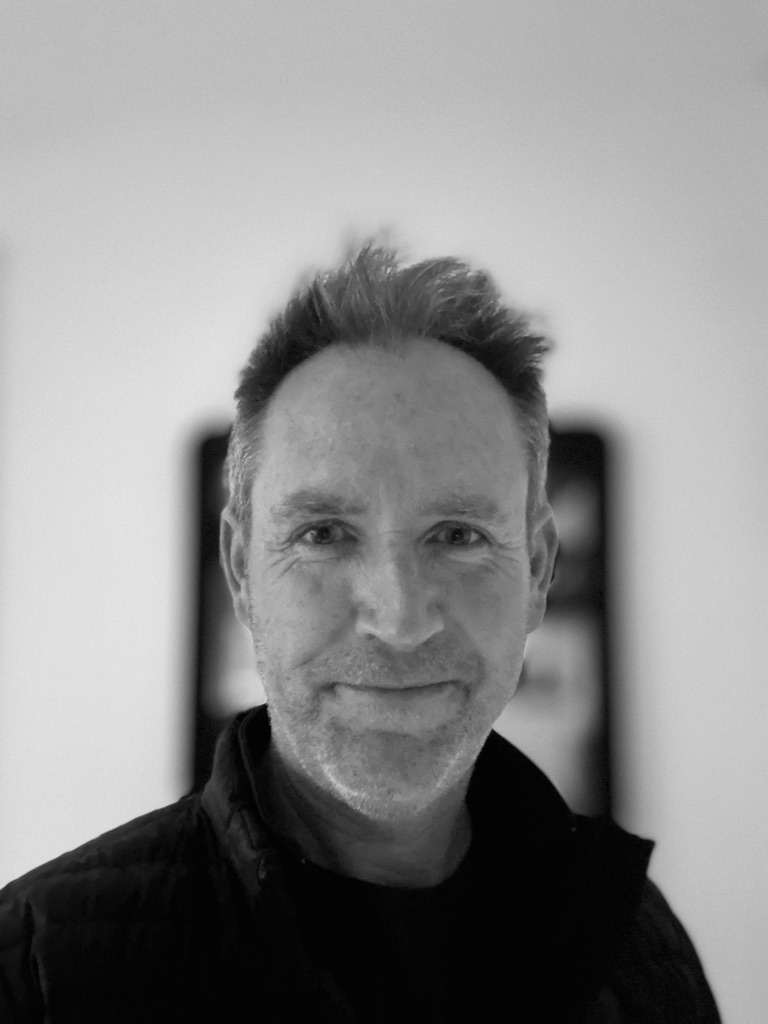
For more than 30 years, Chris Brook has investigated why golfers can possess knowledge and skill yet lose access to both when pressure, speed, uncertainty or personal consequence rises.
That work now connects biomechanics, performance psychology and performance identity through the Chris Brook Clarity Method. Technology and analysis are used to see the problem more accurately; the golfer should leave with fewer priorities, not more noise.
Chris is the author of Quiet the Mind, Lower the Score and Why Can’t I Just Do It?, and works with serious golfers in the Dorset studio, online and through international coaching arrangements.
Common Questions
A 90-minute session is normally the best starting point for a new golfer because it allows enough time to understand the history, gather relevant information, identify the priority and begin the coaching process without rushing.
No. Relevant technology is available without a separate analysis charge, but it is used only when it helps answer the question. The purpose is to improve diagnosis and verify change, not to collect unnecessary data.
Not automatically. The Clarity Method begins by protecting what is functional and identifying the true barrier. Technical change is introduced only where it has a clear purpose.
The live booking calendar shows the session lengths currently offered, their prices and all available dates and times.
Yes. Live online coaching and recorded video analysis are available through the separate online golf coaching service.
Bring the clubs and golf ball you normally use, golf shoes, and any relevant recent information such as scorecards, shot patterns or launch-monitor data. You do not need to diagnose the problem before arriving.
Yes. Coaching session packages provide a defined block of work, while long-term coaching programmes are available for deeper, periodised development.
Choose Your Next Step
If this is your first session, 90 minutes is recommended. If the right duration is already clear, the booking page shows all current dates, times and prices. If it is not, send Chris a brief description of what is happening in your game.