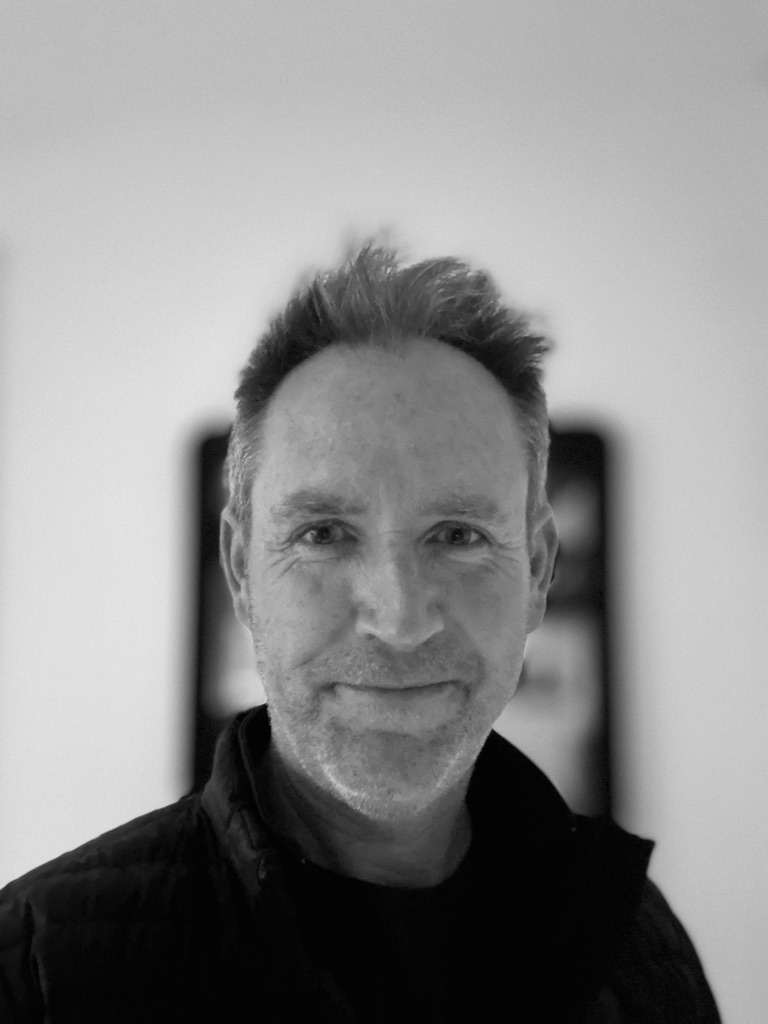
Chris Brook, specialist in golf biomechanics and golf psychology
About Chris Brook
Chris Brook: Specialist in Golf Biomechanics and Golf Psychology
Chris Brook is a specialist in golf biomechanics and golf psychology, an author and the creator of the Chris Brook Clarity Method. For 31 years, his work has examined a problem conventional instruction often leaves unresolved: why a golfer can possess knowledge and skill, yet lose access to both when speed, pressure, uncertainty or personal consequence rises.
His answer is not a model swing or a collection of mental tips. It is an integrated way of understanding the individual golfer through biomechanics, golf psychology and performance identity, then reducing that depth of information to a clear, practical development priority.
Players coached include tour professionals, England international Jenson Bull and Lee James (former Walker Cup player, Amateur Champion, Challenge Tour Order of Merit winner and European Tour professional), as well as county players, county seniors and keen golfers.
Why does understanding fail to become performance?
Origins
Chris’s coaching career began within the professional game and developed through sports science, movement assessment, golf technology and thousands of hours spent observing golfers learn. Each discipline answered part of the performance problem, but none explained the whole golfer by itself.
Biomechanics
Biomechanics could show how movement, force and club delivery were organised. It could distinguish appearance from function and replace assumption with measurement. Yet a technically sound explanation did not guarantee that the movement would remain available when the player became careful, hurried, threatened or determined to prove something.
Psychology
Golf psychology clarified how attention, expectation, emotion and perceived consequence can change behaviour in real time. But mental advice detached from movement could be equally incomplete. The golfer still had a body, a task, a club and a learned pattern to organise.
Identity
The remaining layer was performance identity: what the golfer believes a score, mistake or comparison says about them. When identity is threatened, the player may chase control, reassurance or immediate relief. Technique, psychology and identity therefore had to be understood as one interacting system. That investigation became the foundation of the Clarity Method.
Who Chris coaches
From tour professionals to keen golfers
The same investigation is applied at every level. Playing standard matters less than the willingness to understand the problem and work through an organised process.
Tour and international players
Chris coaches tour professionals, who prefer to remain unnamed, England international Jenson Bull, and Lee James: former Walker Cup player, Amateur Champion, Challenge Tour Order of Merit winner and European Tour professional.
Same method
County players, seniors and keen golfers
County players, county seniors and serious club golfers receive the same combination of biomechanics, golf psychology and performance identity, applied to their own game and goals.
“Chris doesn’t tell you how to do it. He guides me so I become the owner of the transformation.”
Lee James, former Walker Cup player and European Tour professional
What defines the work
Curiosity, independence and responsibility to the individual
Chris’s work is defined by the questions he has continued to ask, the willingness to challenge an incomplete explanation and the responsibility to understand the golfer before prescribing change. Technology can support that investigation, but it is judgement, not the amount of data collected, that determines whether the coaching becomes useful.
I
Investigation before convention
For 31 years, Chris has tested coaching explanations against movement, ball flight, the golfer’s lived experience and what happens when the change reaches the course. A familiar answer is not retained merely because it is traditional, fashionable or technically impressive.
That makes the work investigative rather than formulaic. The visible fault is recorded, but it is not automatically accepted as the cause.
II
The golfer before the method
The Clarity Method is not a system into which every golfer must fit. It is a disciplined way of discovering how this golfer organises movement, interprets pressure, responds to difficulty and attaches meaning to performance.
The method should adapt its investigation to the person. The person should not be remodelled to satisfy the method.
Evidence without theatre: measurement can reveal movement, force, club delivery, strike and ball roll, but numbers do not explain a golfer by themselves. Technology is used when it helps answer the question, then translated into a priority the player can understand and train.
The Chris Brook Clarity Method
Three pillars, considered as one golfer
The method does not assume that every problem is technical, psychological or identity-based. It examines the interaction first, then decides where intervention is useful.
1
Biomechanics
How the golfer organises movement, produces force and delivers the club. Analysis is used to distinguish functional individuality from a pattern that genuinely limits strike, face control, speed or predictability. 3D biomechanics coaching.
2
Golf Psychology
How attention, perception, expectation, emotion and nervous-system state influence decisions and movement. The question is not merely whether the golfer knows what to do, but whether that skill remains accessible when the task matters. Golf psychology coaching.
3
Performance Identity
What performance means to the golfer’s sense of self. Identity affects how mistakes are interpreted, why reassurance is sought and whether a player can stay open to learning when results temporarily deteriorate.
One golfer
The principle is simple: protect what already works, separate symptoms from causes and identify the smallest useful change. Deep investigation should leave the golfer with greater clarity, not a longer list of swing thoughts.
How Chris works
Diagnosis first, then development and transfer
The exact process changes with the golfer and the service, but the standard remains consistent: understand the history, observe the real pattern, establish a priority and test whether the work transfers beyond a controlled rehearsal.
First
Listen before measuring
The player’s history, language, previous attempts, equipment and experience of the problem matter. Data without context can describe an outcome while missing why it occurs.
Then
Measure only what helps
Video, launch data, force, motion, putting or physical information is gathered when it can answer the question. Technology supports judgement; it does not replace it.
Always
Build beyond temporary relief
A refinement is developed through understanding, repetition, variability and exposure to speed or consequence. The aim is not simply to produce a better shot before the session ends.
Ways to work together
One method across different coaching environments
Chris works exclusively with adult golfers, from tour professionals to keen golfers. Playing level matters less than the willingness to understand the problem, take responsibility for development and work through an organised process.
Studio coaching near Bournemouth
In-person sessions at Chris’s studio at Parley Golf Centre, Christchurch, can combine conversation, observation and relevant measurement across full swing, short game, putting, biomechanics and golf psychology.
Live coaching on FaceTime wherever you are. When a golfer has a launch monitor and connected camera setup, Chrome Remote Desktop lets Chris work with that information in real time.
Amateurs and professionals overseas can engage Chris to travel to them for 5 to 10 days of concentrated coaching, at a resort or neutral venue, their own training base or the tournaments they play.
For elite amateurs, county players and tour professionals: 26-week programmes that develop the technical, physical, mental and tactical game together for tournament results, with study modules for players who want to deepen their knowledge.
Chris’s books, course and long-form articles are not separate from the coaching. They allow problems that are often reduced to tips or slogans to be examined with the depth they require. Everything is gathered on Learn with Chris Brook.
QTM
Golf psychology
Quiet the Mind, Lower the Score
An examination of expectation, pressure, confidence, emotional response, attention, identity and the golfer’s relationship with score.
A ten-lesson golf psychology audio course with workbooks that turns the principles of expectation, observation and emotional regulation into guided study and practical assignments.
Chris Brook is a UK specialist in golf biomechanics and golf psychology, and an author, based near Bournemouth, Dorset. Over 31 years he has coached tour professionals, England international Jenson Bull and Lee James, the former Walker Cup player, Amateur Champion and European Tour professional, as well as county players, county seniors and keen golfers.
What is the Chris Brook Clarity Method?
The Clarity Method is Chris’s way of understanding the individual golfer through three connected pillars: biomechanics, golf psychology and performance identity. It separates symptoms from causes, protects what already works and reduces a deep investigation to one clear, practical development priority. Read about the Clarity Method →
Who does Chris Brook coach?
Chris coaches adult golfers who want to understand and improve their game, from tour professionals and international amateurs to county players, county seniors and keen club golfers. Tour professionals he currently coaches prefer to remain unnamed.
Where does Chris Brook coach?
In person at his performance studio at Parley Golf Centre, near Bournemouth, Dorset. He also coaches live online over FaceTime, and travels internationally to work with amateurs and professionals at tournaments, resorts or neutral venues, or at the player’s own training base. View coaching services →
What technology does Chris use?
Depending on the question being answered, Chris uses 3D motion capture, SwingCatalyst force plates, TrackMan 4, SAM PuttLab and TrackMan Putt. He is a TrackMan Master Professional and TPI Level 3 certified. Technology supports his judgement; it never replaces it. Explore 3D biomechanics coaching →
What books has Chris Brook written?
Chris is the author of Quiet the Mind, Lower the Score, on golf psychology, and Why Can’t I Just Do It?, on why swing changes fail to transfer to the course. He also created Expect Less, Perform More, a ten-lesson golf psychology audio course, and writes long-form golf articles. Browse the articles →
How do I start working with Chris?
If you know what you need, view the sessions and live availability on the booking page. If the problem is hard to define, send Chris a short explanation through the contact page and he will suggest the right starting point. View sessions and availability →
Begin with clarity
Choose the right starting point for your game
View the current coaching routes, sessions and availability if you already know what you need. If the problem is difficult to define, send Chris a short explanation and ask which route fits.