Coaching
Coaching
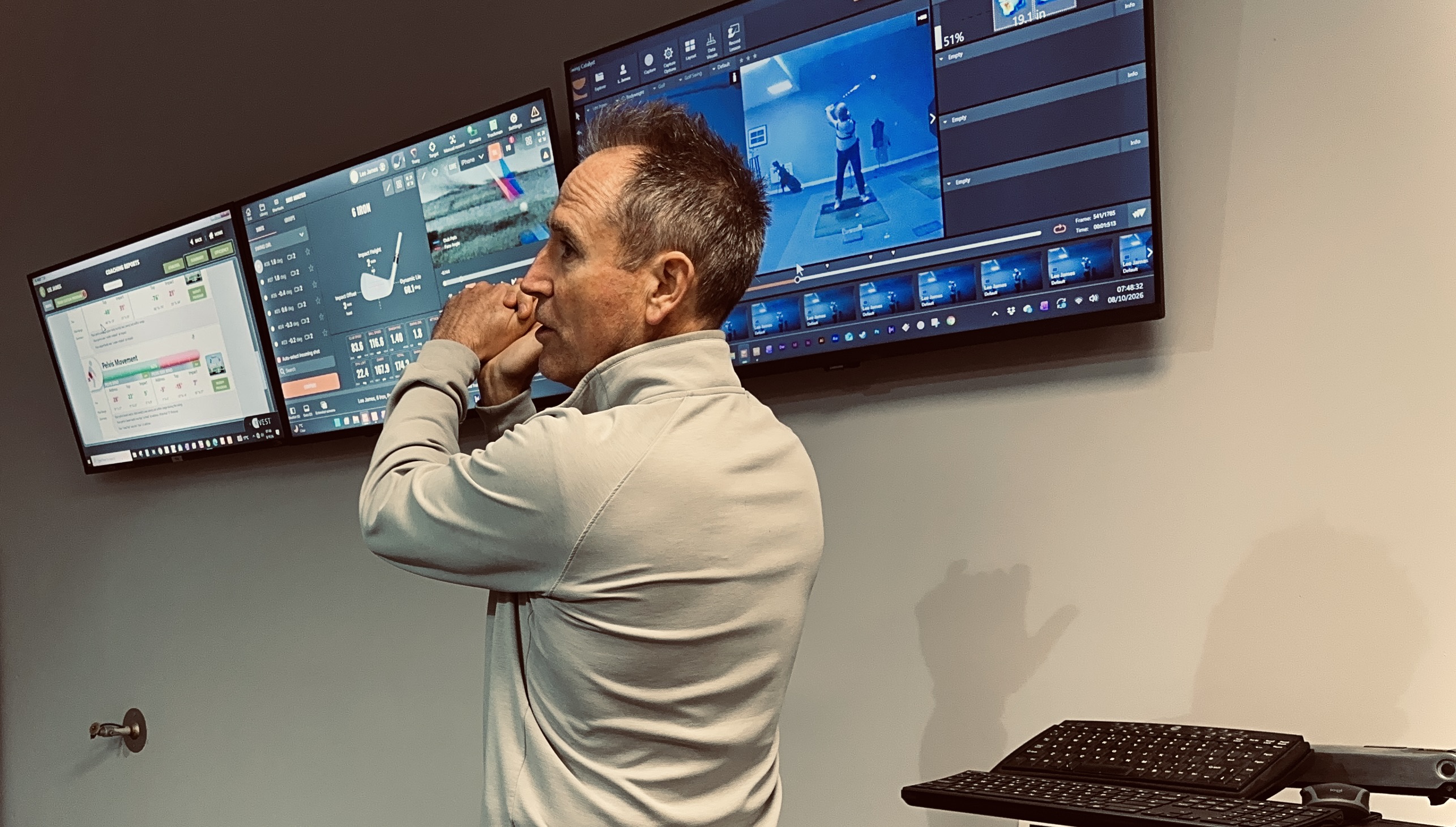
One-to-one in the Dorset studio, live online, or at your tournament or base.
Explore coaching →Strike it better. Waste fewer shots.
Take your game into competition.
Five months to build the game you’ve been chasing. Your winter is designed around your golf, with private coaching, a coached round on the course and a clear plan for next season. Coached in person at my Dorset studio and on the course.
Coach · Author · 31 years
Coaching tour professionals, national and county players and serious golfers for 31 years. Three books, an audio course and a free article library, so you can learn the same way, wherever you are.
One-to-one in the Dorset studio, live online, or at your tournament or base.
Explore coaching →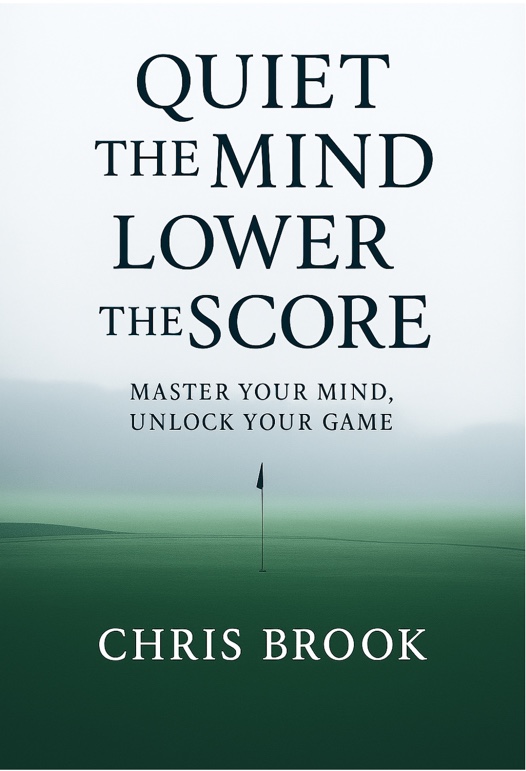
Short game, pressure and swing change. New book out November: pre-order for £20.
See the books →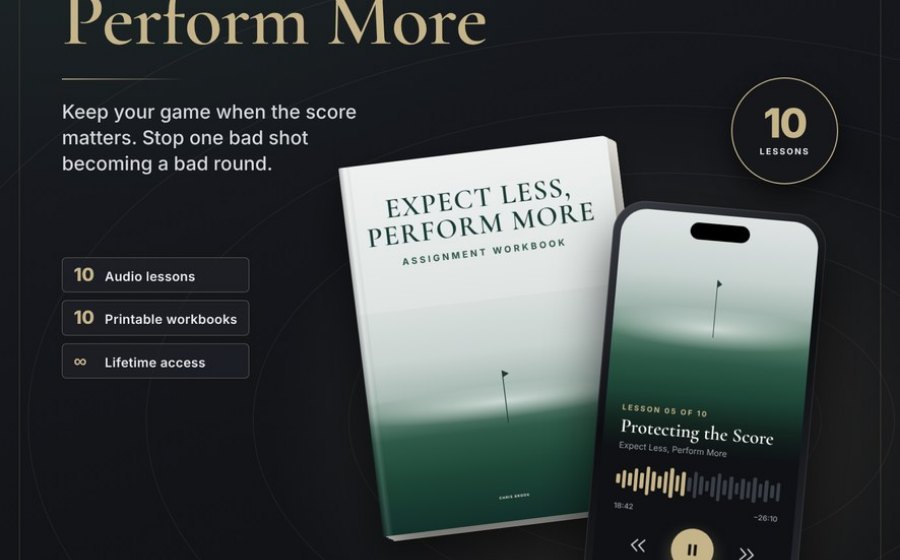
Expect Less, Perform More: 10 audio lessons for playing under pressure. £59.
Hear a free lesson →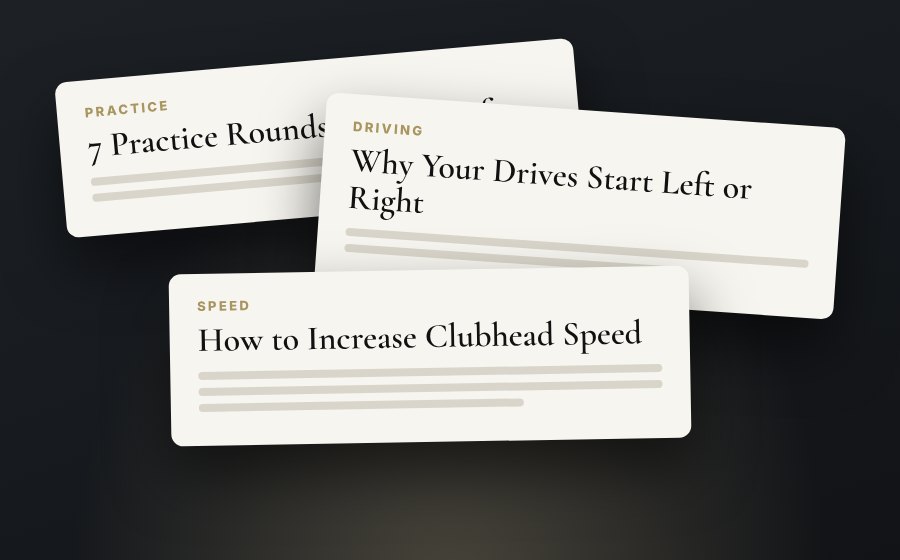
50+ free in-depth articles on the swing, short game, putting and psychology.
Read for free →Books by Chris Brook
Three books, three questions every serious golfer eventually asks. Which shot should I play? Why does my golf change under pressure? Why won't my swing change stick? Start with the one your game is asking right now.
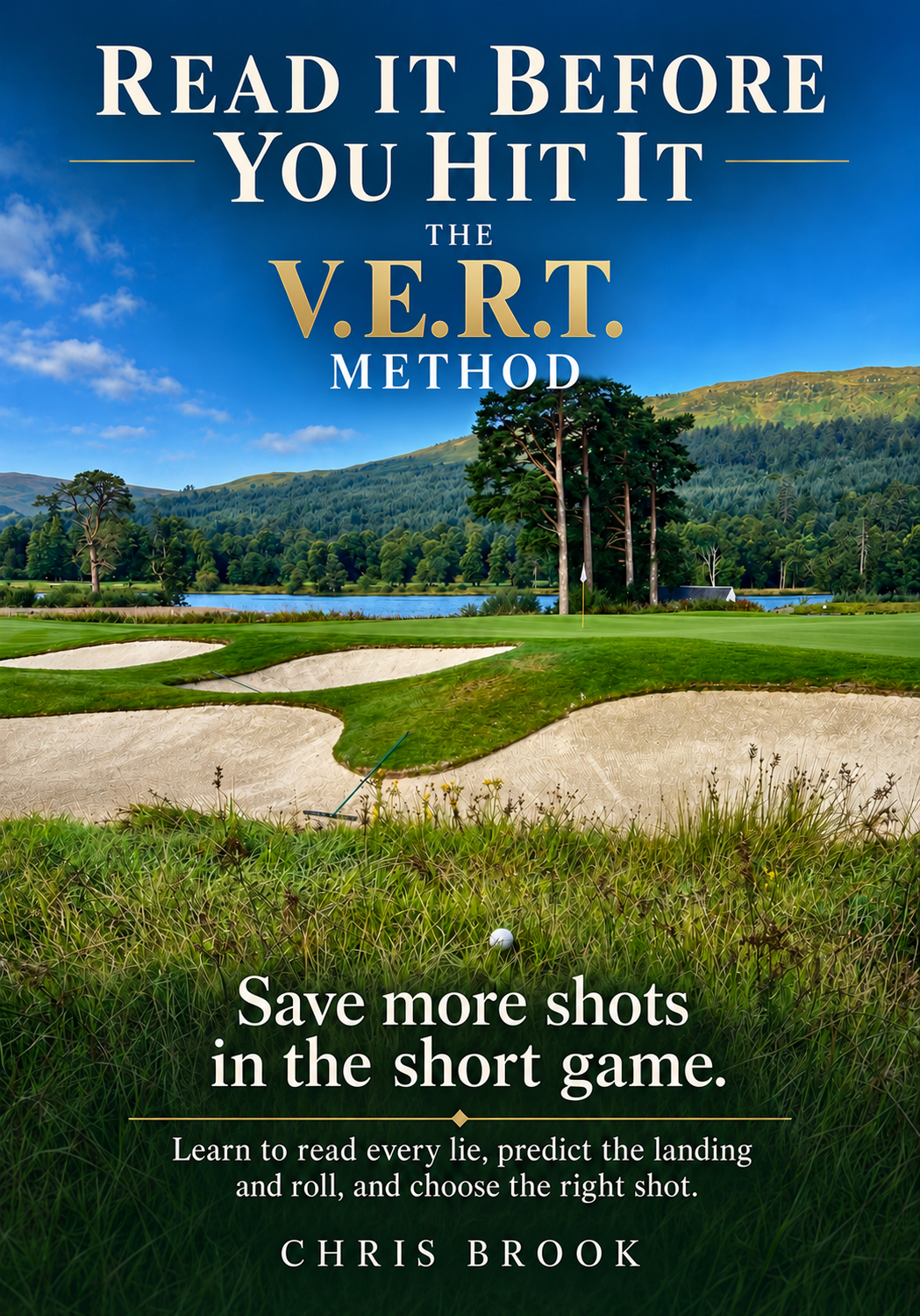
Most short-game shots are lost before you swing. Learn to read the lie, picture how the ball will fly, land and roll, and choose the shot the lie will actually let you play. Includes 156 lies and 20 worked scenarios.
£25 £20 when you pre-order
Enter this code at checkout: NHXBRIHYAT
Ever played beautifully until it mattered? Discover why pressure, expectation, and self-doubt change how you think and swing, and how to stay clear-headed when the scorecard starts to count.
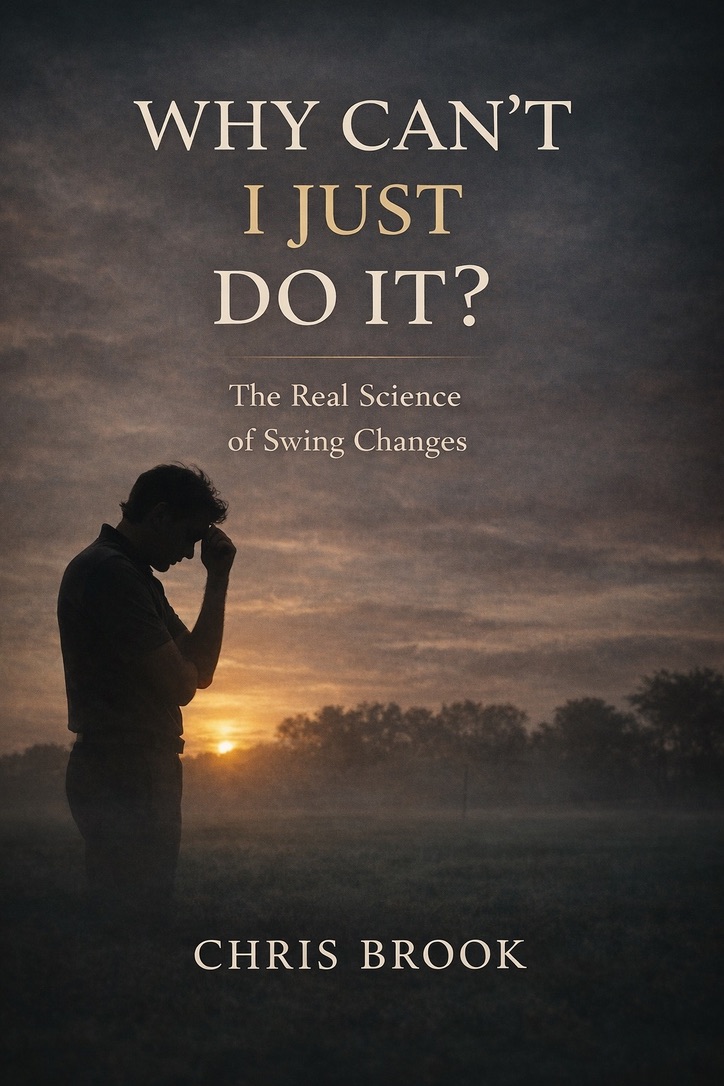
You can do it in the lesson. You can do it on the range. Then it vanishes on the course. Find out why swing changes so often fail to hold, and what it really takes to make them yours.
Online Audio Course
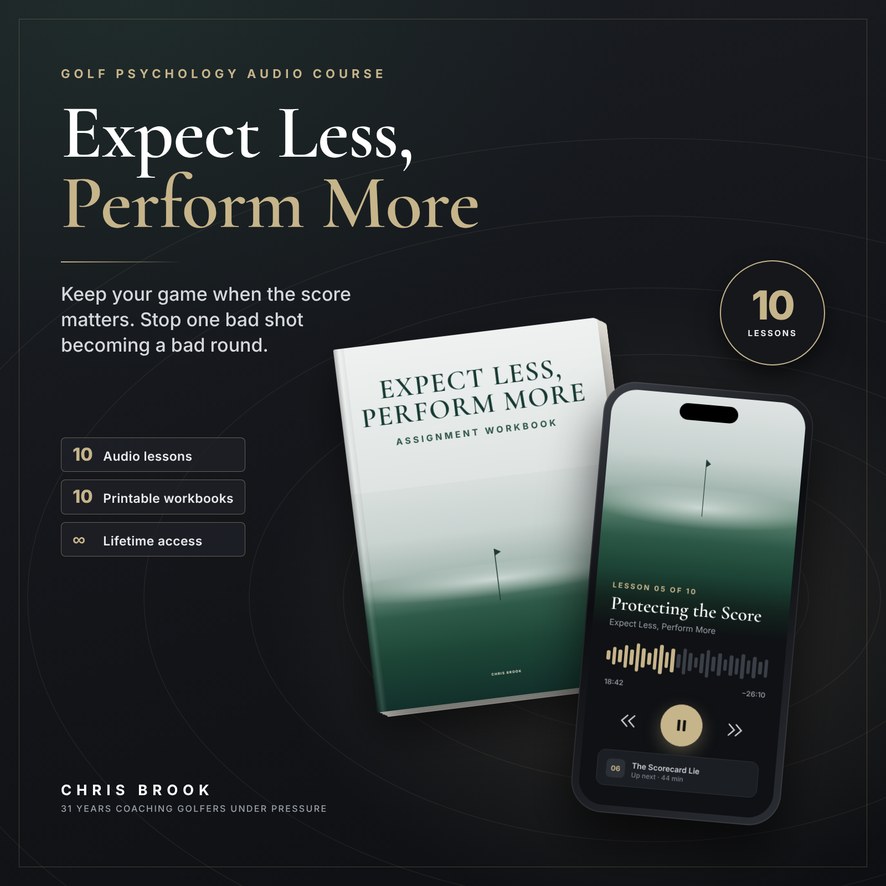
Prefer to listen? Expect Less, Perform More turns the ideas from Quiet the Mind, Lower the Score into ten audio lessons of about 45 minutes, each paired with a workbook, so you apply the work to your own game rather than just reading about it. Go at your own pace, with lifetime access.
£5910 lessons · 10 workbooks · lifetime access
Learn with Chris Brook
From the biomechanics of the swing to reading a tight lie beside the green, from speed and strike to course strategy, practice design and performing under pressure, this is the knowledge that separates good golf from top-level performance. Explore in-depth free articles, three books, structured courses and coaching lectures, with a podcast and webinars on the way. Whether you are a player chasing your best golf or a coach developing others, start with the part of the game that matters most to you.
Areas of Expertise
Free Golf Articles
In-depth reading on speed, strike, ball flight and practice, free to read whenever you want.
Want more distance? See how your speed compares with golfers of your handicap, what actually works in speed training, and how to add yards without losing control of the ball.
Read the article →Never sure which way the ball will start? Find out what the face, path and strike are really doing at impact, and why your drives go where they go.
Read the article →Great on the range, a different golfer on the course? Seven practice rounds that build a game you can trust when the score counts.
Read the article →Stop copying someone else’s swing. Discover the plane that suits your body and how hand path and rotation help you find it.
Read the article →Coaching
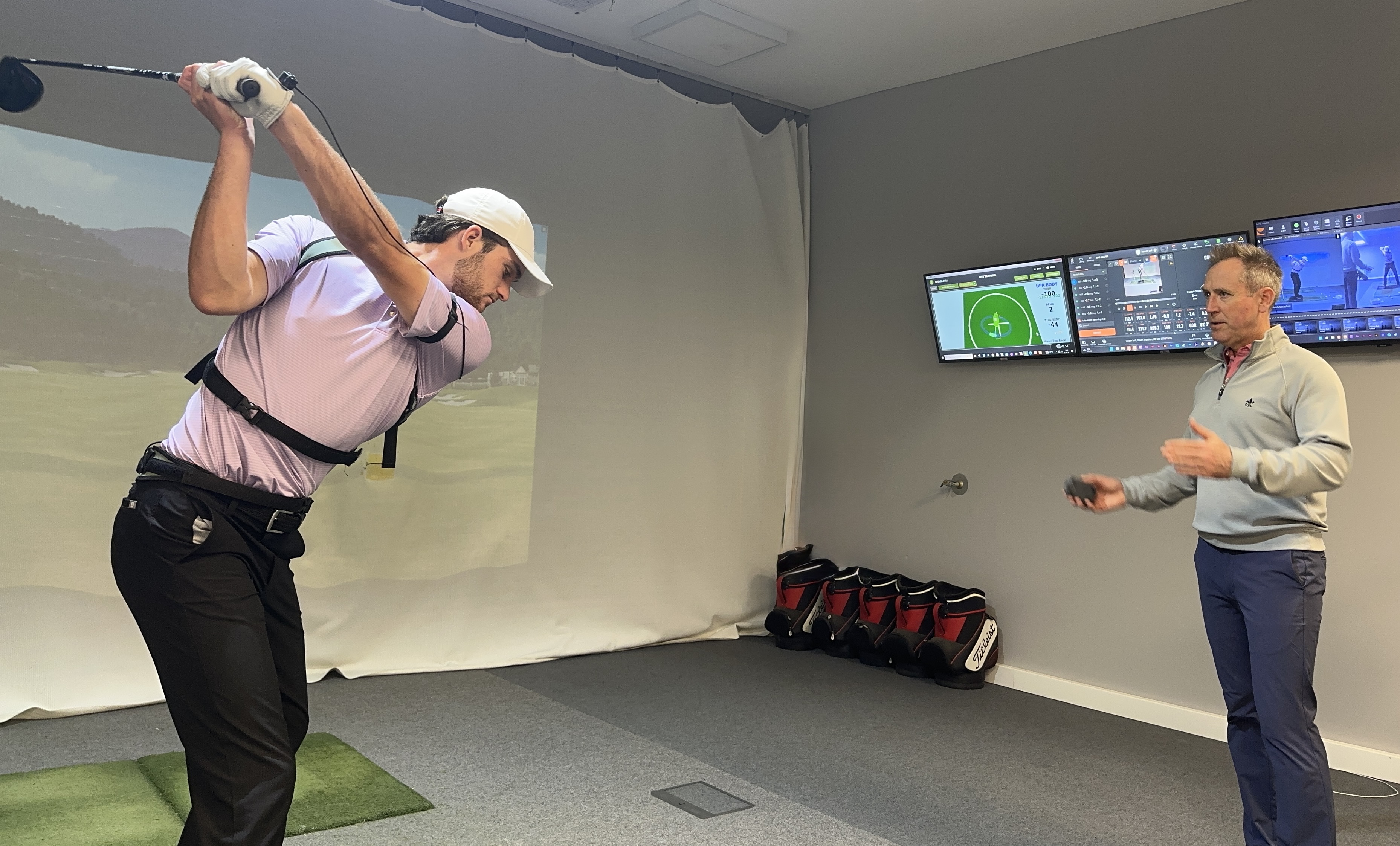
Chris Brook is a specialist in golf biomechanics, golf psychology and the short game, coaching tour professionals, national and county players and serious golfers worldwide who want performance that holds up in competition. Based near Bournemouth in Dorset, he uses 3D motion capture, force plates and TrackMan alongside golf psychology, bringing the swing, the nervous system and performance identity into one investigation through the Clarity Method.
The purpose is not to impose a model swing or provide temporary relief through another tip. It is to understand why a performance pattern exists, protect what already works and identify the smallest useful change capable of lasting beyond the lesson.
The Approach

A golfer can leave a lesson hitting better shots without having built an improvement that survives full speed, uncertainty or the golf course. Immediate relief and lasting development are not the same outcome.
Chris begins by separating the visible symptom from its cause. A movement that appears technically unusual may be helping the golfer preserve balance, generate speed or manage the clubface; another may be a compensation that limits strike, trajectory or predictability. A push to the right may be a protective response to a feared left miss. A balance issue may come from a physical restriction rather than a sequencing problem. Careful study usually reveals one or two root causes, and addressing those makes the intervention smaller, cleaner and more accurate.
What already functions is protected. What limits the golfer is understood before it is changed. The aim is for the golfer to become less dependent on constant correction and more capable of observing, adapting and continuing to build.
A surface view labels faults. Detail reveals the one subtle change in movement, sequence or intent that unlocks the rest.
“The swing is the gateway; the mind is the lock; identity is the key.”
Chris Brook
Movement, nervous-system response and identity are not separate subjects that happen to meet on a golf course. They continually shape one another. Chris brings them into one investigation so that the golfer understands not only what to change, but why the pattern exists and what is required for the change to remain available.
Biomechanics is used to understand how the body moves, how the club is delivered, and why the ball behaves as it does. Chris does not force golfers into model positions for aesthetic reasons. He studies the individual. Some movements that appear flawed are actually stabilising patterns that help the golfer perform. Others are protective compensations that quietly limit strike, face control, speed, or trajectory. The role of analysis is to tell the difference.
Many technical changes fail because the golfer can perform them in practice but cannot access them when consequence rises. Fear, expectation, attention and internal conflict alter movement and decision-making. These responses are studied as part of the performance—not dismissed as a lack of confidence or treated as something separate from technique.
Golfers often perform in line with what they believe themselves to be. When identity depends on proving ability, poor shots can become threats rather than information. Chris helps the golfer build a more stable relationship with performance so that technical refinement has somewhere secure to live. The aim is not manufactured confidence, but the capacity to observe, learn and continue when the game becomes uncomfortable.
Inside 100 Yards
Most shots that decide a score are played from inside 100 yards, and they are also the shots most exposed to pressure. A short, delicate movement gives the nervous system more time to interfere, and a poor decision about the lie, landing spot, or shot itself can undo good technique before the club moves.
Chris coaches chipping, pitching, bunker play and putting with the same investigation used for the full swing. Strike, low point, face and loft delivery are measured rather than guessed, and putting analysis shows how the stroke and start line actually behave. Just as important is what happens before the shot: how the golfer reads the situation, chooses the shot, and commits. A short game that holds up in competition depends as much on clear reading and decisive commitment as on technique.
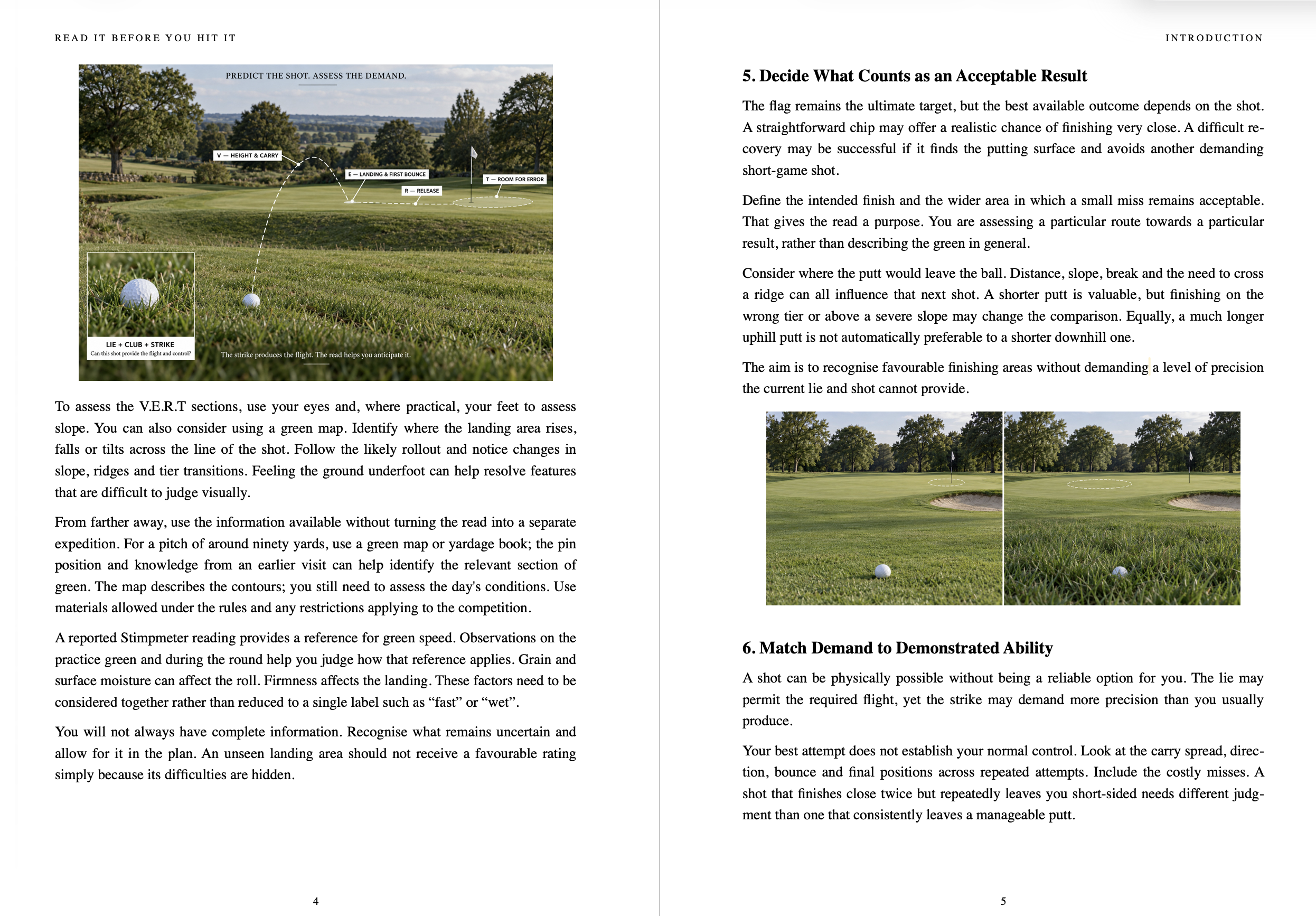
The V.E.R.T. Method
How to read the lie, predict the landing and roll, and choose the right shot inside 100 yards.
Most short-game mistakes are made before you swing. Two shots of the same distance can call for completely different answers. If the lie, the landing and the release don’t suit the shot you have chosen, technique alone cannot save it.
Read It Before You Hit It gives you a clear, repeatable way to read every shot inside 100 yards. The V.E.R.T. Method follows the ball from strike to finish: the flight it needs, how it must land, how it will release and how much margin for error you have. You choose a shot the lie can actually deliver, then commit to it.
Inside the book:
It is Chris Brook’s third book and the first devoted entirely to the short game, built on the same evidence-led approach he uses with tour professionals and international players.
Pre-order offer: save £5
£25 £20 when you pre-order before the November release.
Enter this code at checkout: NHXBRIHYAT
How Coaching Works
01Coaching may begin with a focused one-to-one session, a block of sessions, detailed 3D biomechanical analysis, short game coaching or golf psychology coaching. For elite amateurs, county players and tour professionals, 26-week development programmes bring the technical, physical, mental and tactical work together around one outcome: better performance in tournaments.
02The process looks beyond scores and symptoms: how the golfer describes their game, what happens to their movement under pressure and what performance means to them. 3D motion capture, force plates, high-speed video, putting analysis and TrackMan are used as an audit, not a crutch, to verify whether improvement is real. If the work targets face-to-path, the data confirms the change by degree rather than by feel alone. Every finding is translated into plain language.
03Expect careful investigation rather than information overload, protection rather than unnecessary reconstruction, and evidence rather than assumption. You should leave understanding what to keep, what to develop and how the work connects to your golf.
FAQ
Tour professionals, national and county players, and serious golfers who want improvement that lasts. Players coached include England international Jenson Bull and Lee James, a former Walker Cup player, Amateur Champion, Challenge Tour Order of Merit winner and European Tour professional.
Yes. Coaching is available online in real time, and international players can be coached at tournaments, at resorts or neutral venues, or at the player’s base. Studio coaching takes place near Bournemouth in Dorset.
Chris looks at your history, movement, ball flight and how you experience the problem before changing anything, using 3D motion capture, force plates and TrackMan where they answer a useful question. You leave knowing what to keep, what to develop and the one priority that matters most.
Yes. Golf psychology coaching is available as its own service, and it can also be combined with biomechanics so that technical changes hold up under pressure.
The Clarity Method is Chris Brook’s approach to coaching. It brings biomechanics, the nervous system’s response to pressure and performance identity into one investigation, so that the golfer understands why a pattern exists before it is changed.
Get Started
Whether you are a tour professional, a national or county player or a serious golfer who wants your best golf to hold up when it matters, the first step is the same: understand what is really happening before deciding what to change.