About Chris Brook | Golf Biomechanics, Performance Psychology & Performance Identity
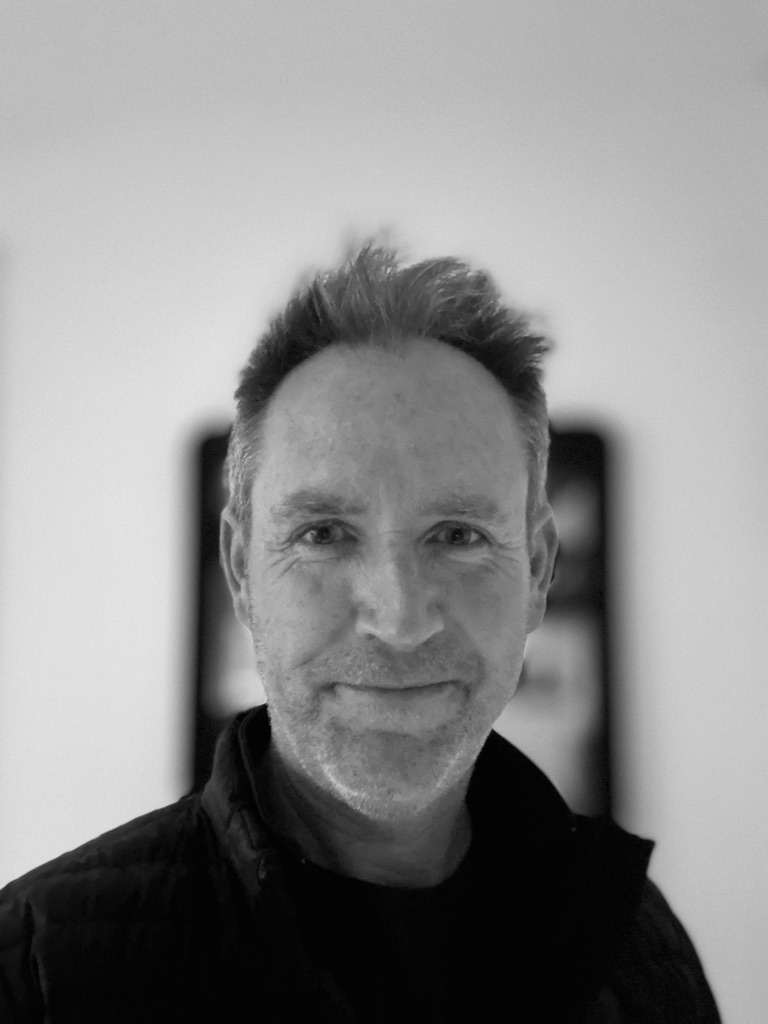
Portrait of Chris Brook golf coach and author
About Chris Brook

Biomechanics, Performance Psychology, and the Search for What Really Holds Up Under Pressure

Chris Brook’s work sits at the intersection of movement, mind, and identity. His coaching did not evolve from one discipline alone. It developed through the recognition that technical instruction, on its own, often fails to explain why golfers lose access to their skill when the game becomes difficult, exposed, or important.

Chris Brook is a golf performance coach and author whose work integrates biomechanics, performance psychology, and performance identity into one framework. The aim is not simply to improve swings. It is to build performances that remain available when consequence rises.

This page exists to explain where that work came from, what it is built on, and why it differs from conventional coaching models. It is not a story about one method replacing another. It is about a gradual recognition that golfers are not only moving bodies. They are perceiving, anticipating, regulating, interpreting, and performing through an identity at the same time.

Golf Biomechanics Performance Psychology Performance Identity Author & Coach
The Central Question

Why Do Skilled Golfers Still Break Down?

That question sits at the centre of Chris Brook’s work. Many golfers can produce high-quality motion in practice and still become unstable on the course. The technical pattern may be present, yet something changes when score, consequence, or self-consciousness enters the picture. Tempo alters. Awareness narrows. Effort becomes forced. Decision making deteriorates. What looked stable begins to fragment.

Traditional coaching often tries to solve that problem by adding more technical correction or more mental advice. Chris Brook’s work developed from the view that both approaches are incomplete when treated separately. The golfer is one system. Movement, emotional state, perception, and self-story are interacting all the time. If coaching does not address that interaction, it often produces knowledge without reliability.

How the Work Evolved

Beyond Conventional Golf Instruction

Biomechanics Was Not Enough on Its Own

Objective movement analysis matters. It clarifies sequencing, force use, wrist conditions, club delivery, and the real causes of strike and flight. But Chris Brook found that correct diagnosis alone did not guarantee transfer. Players could understand the movement and still fail to access it when pressure rose.

Psychology Could Not Stay Separate

As patterns repeated across players, it became clear that thought, emotional state, fear, expectation, and attention were shaping movement in real time. Performance psychology was not an optional extra. It was inseparable from the way skill appeared or disappeared.

Identity Was the Missing Layer

The final shift came with the recognition that golfers do not simply hit shots. They perform through an identity. Their beliefs about who they are in the game influence what they expect, what they fear, and how they respond when the round starts to turn. That layer had to be coached too.

Chris Brook’s work is built on one principle: durable performance comes from integrating mechanics, psychology, and identity, not from treating them as separate conversations.
What This Means in Practice

The Three-Part Framework

1. Biomechanics

This is the objective layer. How the golfer moves. How they organise force. How the wrists, pelvis, thorax, and arms interact. How the club is actually being delivered. This work removes guesswork and gives the player clarity on cause and effect.

2. Performance Psychology

This is the state layer. How the golfer interprets pressure. How thought changes under consequence. How breath, focus, threat, emotional load, and internal noise influence movement and decision quality. This work explains why technique alone can become unavailable.

3. Performance Identity

This is the meaning layer. What the golfer believes a round says about them. What score means to their sense of self. Why one poor hole can feel destabilising. This work helps the player separate performance from personal collapse.

What Chris Brook Actually Does

Coaching, Writing, and Building a Complete Performance Framework

Chris Brook’s work is not limited to one format. The coaching studio, online sessions, books, articles, and digital courses all form part of the same ecosystem. Each format approaches the same central problem from a different angle.

  • Coaching provides direct diagnosis and individual intervention.
  • Books explore the underlying philosophy in depth.
  • Courses turn that philosophy into structured learning.
  • Articles extend the work into specific performance questions.

This is why the About page matters. It is not simply biography. It is the origin page of the whole system.

The Writing

Books as the Long-Form Expression of the Work

Chris Brook’s books were not created as side projects to support coaching. They are part of the work itself. They allow ideas that are often reduced to phrases in golf instruction to be examined properly, with depth, precision, and context.

Quiet the Mind, Lower the Score is the clearest example. It explores pressure, confidence, perception, attention, emotional control, identity, recovery, and long-term mental training as part of one integrated framework. The course Expect Less, Perform More extends that work into a structured learning process.

Who This Work Is For

Serious Golfers Seeking Clarity

This Work Suits Golfers Who:

  • know technique alone is not the whole story
  • play well in practice but struggle on the course
  • become tense, careful, or self-conscious under pressure
  • want deeper understanding rather than surface-level advice
  • value evidence, structure, and precision

This Work Is Not Built For:

  • casual tip collection
  • endless weekly swing changes without structure
  • generic confidence talk detached from movement and behaviour
  • short-term motivational fixes
Why the Approach Matters

What Lasting Change Requires

Lasting change in golf is rarely produced by information alone. Players can understand what to do and still fail to do it when speed, pressure, or consequence rise. Chris Brook’s work is built on the recognition that change becomes more durable when the body understands it, the nervous system accepts it, and the golfer’s identity stops resisting it.

That is why the work is deliberately integrative. It aims to reduce contradiction inside the player. When movement, attention, and self-story begin to align, performance becomes more stable and the game becomes easier to trust.

Frequently Asked Questions

About Chris Brook

What makes Chris Brook different from most golf coaches?

He integrates biomechanics, performance psychology, and performance identity into one framework, rather than treating them as separate disciplines.

Does Chris Brook only coach elite golfers?

No. He works with serious golfers at different levels, from committed club players to high-performing amateurs and professionals.

Is Chris Brook’s work only about technique?

No. His work examines not only movement, but also pressure, attention, emotion, identity, and the conditions that determine whether skill is available when it matters.

How can I work with Chris Brook?

Golfers can work with Chris Brook through in-person studio coaching, online coaching, digital courses, books, and long-form educational articles.

Next Steps

Explore the Work Further

If you want to understand the ideas behind Chris Brook’s work more deeply, the clearest routes are the book, the course, the coaching pages, and the long-form articles.

© Chris Brook

Golf biomechanics, performance psychology, and performance identity brought together in one coaching framework.